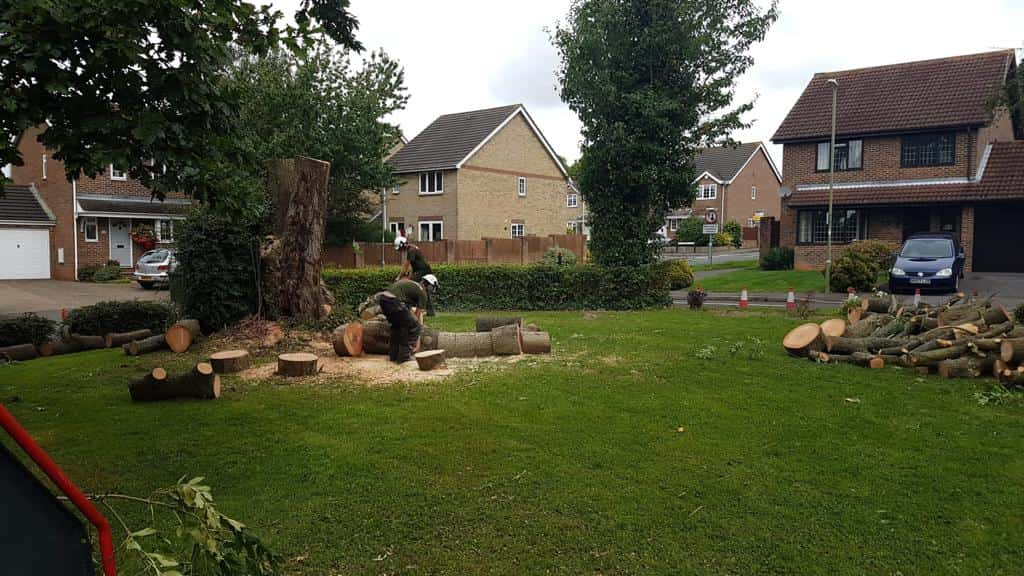
Trees play an essential role in the character and landscape of Hindhead, Surrey, but even healthy-looking trees can harbour hidden defects. These issues often go unnoticed until they result in sudden failures, fallen branches, or uprooted trees—posing risks to people, property, and surrounding structures. Understanding the most commonly overlooked defects is vital for preventing unexpected emergencies and maintaining safe outdoor spaces.
At NS Tree Surgery Hindhead, we regularly identify and resolve these issues before they develop into major concerns. This article highlights the defects most property owners miss and explains why prompt, professional care is so important.
Why Tree Defects Are Often Missed
Trees naturally adapt to their environment, and early signs of stress or decay can be subtle. Many defects develop inside the trunk or root system, where they are not immediately visible. Others appear harmless at first glance but worsen over time as weather, weight, and structural imbalance take their toll.
Regular assessments are the best way to identify these hidden risks, especially in wooded areas and large gardens typical of Hindhead and neighbouring Surrey villages.
The Most Overlooked Tree Defects
1. Hidden Internal Decay
Internal decay is one of the most dangerous defects because it can progress unnoticed for years. Trees may look stable externally while the core wood weakens inside. Common signs—such as slight hollows, fungal growth at the base, or areas of brittle bark—are often dismissed or misunderstood.
If left unaddressed, internal decay significantly increases the likelihood of sudden trunk failure.
2. Structural Cracks in Trunks and Large Branches
Cracks in the trunk or main limbs are easy to overlook, especially when they occur high up or are partially concealed by the canopy. Even a small crack can compromise stability, particularly in high winds. These cracks often develop due to previous storm damage, sudden temperature changes, or uneven weight distribution in the crown.
3. Weak or Failing Branch Unions
Included bark—where bark grows between two branches that should ideally form a strong joint—is a major cause of branch failure. These unions form a tight V-shape and weaken over time, especially as the branches grow heavier. Many property owners do not recognise the structural implications until the branch splits unexpectedly.
4. Root Plate Instability
Root issues are among the most overlooked defects because they occur below ground. However, the root plate is responsible for anchoring the tree in place. Compromised roots caused by soil compaction, construction work, or prolonged waterlogging can lead to complete tree failure.
Subtle symptoms include:
- Leaning or shifting of the trunk
- Soil cracking around the base
- Fungal growth near the roots
Even minor changes can indicate significant instability.
5. Excessive Deadwood
Dead branches are often assumed to be harmless, especially in mature trees. However, deadwood can snap suddenly, especially during windy conditions. It can also indicate deeper health problems such as disease, pest activity, or insufficient nutrients reaching the upper canopy.
6. Canopy Imbalance
An uneven canopy is easy to ignore but can create dangerous stress points. If one side of the tree becomes significantly heavier than the other, the trunk and root plate experience uneven loading. This imbalance can lead to branch shedding or the tree gradually leaning over time.
7. Fungal Brackets and Other Signs of Disease
Fungal brackets growing on the trunk or roots are often mistaken for harmless features. In reality, they are one of the clearest signs of internal decay or disease. The type and location of the fungus often reveal how severe the issue is, and whether urgent action is required.
Why Professional Tree Inspections Are Essential
Identifying these defects requires experience, training, and in many cases, specialist equipment. Visual signs can be subtle, and incorrect assumptions may lead to unnecessary removal or, equally concerning, missed hazards.
Working with professionals ensures:
- Accurate identification of hidden defects
- Clear recommendations on pruning, reduction, or removal
- Preventative care to strengthen the tree’s structure
- Improved safety for the surrounding area
- Long-term support for tree health and stability
At NS Tree Surgery Hindhead, we provide expert assessments tailored to the types of trees commonly found across Surrey’s gardens and woodlands.
How Regular Maintenance Can Prevent Emergencies
Trees rarely fail without warning. Early intervention, such as crown thinning, deadwood removal, or corrective pruning, significantly reduces the risk of sudden emergencies. Routine maintenance also helps the tree grow in a balanced and predictable way, ensuring it remains both safe and attractive.
Properties surrounded by mature trees—common throughout Hindhead’s leafy neighbourhoods—benefit greatly from scheduled inspections and appropriate care.
Conclusion
The most dangerous tree defects are often the ones that go unnoticed. Internal decay, weakened branch unions, root instability, and subtle structural cracks can all lead to sudden failures if left unmanaged. By understanding these risks and seeking expert support, property owners in Hindhead can protect both their trees and their surroundings.
If you would like a professional inspection or advice on maintaining your trees, NS Tree Surgery Hindhead is here to help. Contact our team to arrange a visit and ensure your outdoor spaces remain safe, healthy, and well cared for.
Call us on: 01428 778 689
Click here to find out more about NS Tree Surgery Hindhead
Click here to complete our contact form and see how we can help with your tree needs.